



St Paul’s Apostolic Zeal according to Saint John Henry Newman
Fr. Hermann Geissler, FSO
Pope Francis wishes the Church, in every part of the world, to become more missionary. In his Apostolic Exhortation, Evangelii gaudium, he addresses the faithful asking them “to embark upon a new chapter of evangelization” (n. 1). St. Paul, an apostle and a missionary, still remains a model for us today. For Blessed John Henry Newman Paul is the “glorious Apostle, this sweetest of inspired writers, this most touching and winning of teachers” towards whom he “ever felt a special

 Jesus, Redeemer of mankind, Have mercy on us.
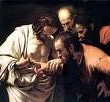 Thomas says to Him, “My Lord and my God.”
 O blessed day of the Resurrection, which of old time was called the Queen of Festivals, and raised among Christians an anxious, nay contentious diligence duly to honour it! Blessed day, once only passed in sorrow, when the Lord actually rose,
 It would be well if we were in the habit of looking at all we have as God’s gift, undeservedly given, and day by day continued to us solely by His mercy. He gave; He may take away. He gave us all we have, life, health, strength, reason, enjoyment, the light of conscience; whatever we have good and holy within us; whatever faith we have; whatever of a renewed will; whatever love towards Him; whatever power over ourselves; whatever prospect of heaven.
 Let us try to accustom ourselves to this view of the subject. The whole Church, all elect souls, each in its turn, is called to this necessary work. Once it was the turn of others, and now it is our turn. Once it was the Apostles’ turn. It was St. Paul’s turn once. He had all cares on him all at once; covered from head to foot with cares, as Job with sores. And, as if all this were not enough,
 1. I adore Thee, O Eternal Word, for Thy gracious condescension, in not only taking a created nature, a created spirit or soul, but a material body. The Most High decreed that for ever and ever He would subject Himself to a created prison. He who from eternity was nothing but infinite incomprehensible Spirit, beyond all laws but those
  All teaching about duty and obedience, about attaining heaven, and about the office of Christ towards us, is hollow and unsubstantial, which is not built here, in the doctrine of our original corruption and helplessness; and, in consequence, of original guilt and sin. Christ Himself indeed is the foundation, but a