




Moral Consequences of Single Sins
 PPS IV, 3; preached, March 20th, 1836
“Be sure your sin will find you out.” Numb. 32, 23.
This is one of those passages in the inspired writings, which, though introduced on a particular occasion and with a limited meaning, express a general truth, such as we seem at once to feel as being far greater than the context requires, and which we use apart from it. Moses warned the Reubenites and Gadites, that, if they, who had already been allotted their inheritance, did not assist their brethren in gaining theirs, their sin would find them out, or be visited on them. And, while he so spoke, He who spoke through him, God,
 John Kezel, PhD,
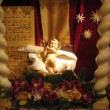 When our Lord came upon earth, He might have created a fresh body for Himself out of nothing-or He might have formed a body for Himself out of the earth, as He formed Adam. But He preferred to be born, as other men are born, of a human mother. Why did He do so?
 Why was he beatified?
 So many were the wonderful works which our Saviour did on earth, that not even the world itself could have contained the books recording them. Nor have His marvels been less since He ascended on high; –
 You know very well, my brethren, and there are few persons anywhere who deny it, that in the breast of every one there dwells a feeling or perception, which tells him the difference between right and wrong, and is the standard by which to measure thoughts and actions. It is called conscience; and even though it be not at all times powerful enough to rule us, still it is distinct and decisive enough to influence our views and form our judgments in the various matters which come before us.
 Lectio Magistralis
 A man cannot really be religious one hour, and not religious the next. We might as well say he could be in a state of good health one hour, and in bad health the next. A man who is religious, is religious morning, noon, and night; his religion is a certain character,